Asset & Context
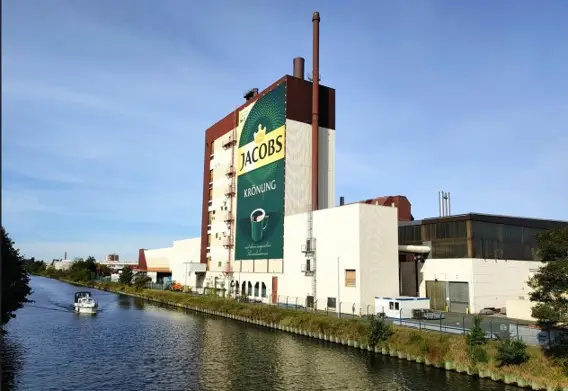
The project was implemented at a coffee roastery in Berlin, an energy-intensive industrial facility with significant process-related waste heat.
At the same time, the surrounding urban area required sustainable heat supply solutions aligned with Berlin’s climate and energy transition targets.
The key challenge was to transform unused industrial waste heat into a reliable, low-carbon energy source capable of delivering measurable community value beyond the boundaries of the industrial site itself.
Strategy & Execution
The project was based on a decarbonisation strategy centred on industrial waste heat recovery.
Coffee roasting ovens were retrofitted with advanced heat recovery systems, enabling the capture of excess thermal energy and its integration into Berlin’s district heating network.
The assignment included preparation of the energy efficiency expert report, detailed rentability and economic analysis, comprehensive CO₂ footprint assessment, and full grant application and approval process under the German energy efficiency programme “Wettbewerb Energieeffizienz”.
Outcome & Value
The project demonstrates how industrial processes can actively support urban decarbonisation by converting waste heat into a valuable energy resource.
By supplying renewable heat to a neighbouring residential quarter, the project reduced fossil fuel demand, lowered CO₂ emissions by 3,150 t per year, and created tangible benefits for both the asset operator and the local community.
The project was awarded first place in the national “Wettbewerb Energieeffizienz” competition, recognising its innovative integration of industrial energy recovery and district heating infrastructure.